How-To
How to Choose the Right Case Opening Tool
Levi Tool & Co TeamFebruary 20, 20269 min read
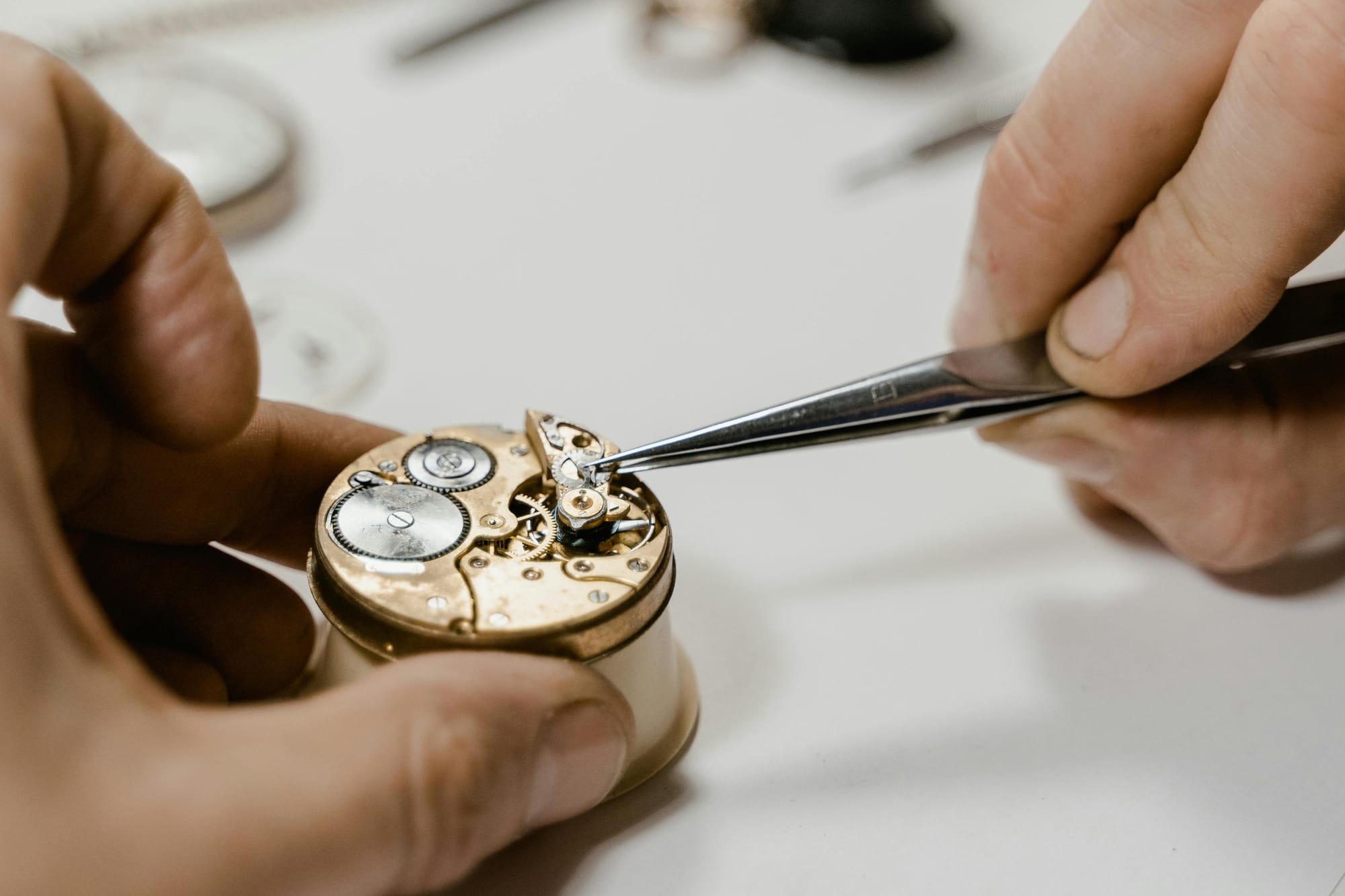
Opening a watch case is the first step in almost every repair; and it is one of the easiest places to cause damage. A scratch on the case back, a stripped thread, or a torn gasket can turn a simple battery swap into an expensive problem. The key is matching the right tool to the right case back type. This guide covers the three main case back styles, the tools designed for each, and the techniques that professionals use to open watches cleanly every time.
Understanding Case Back Types
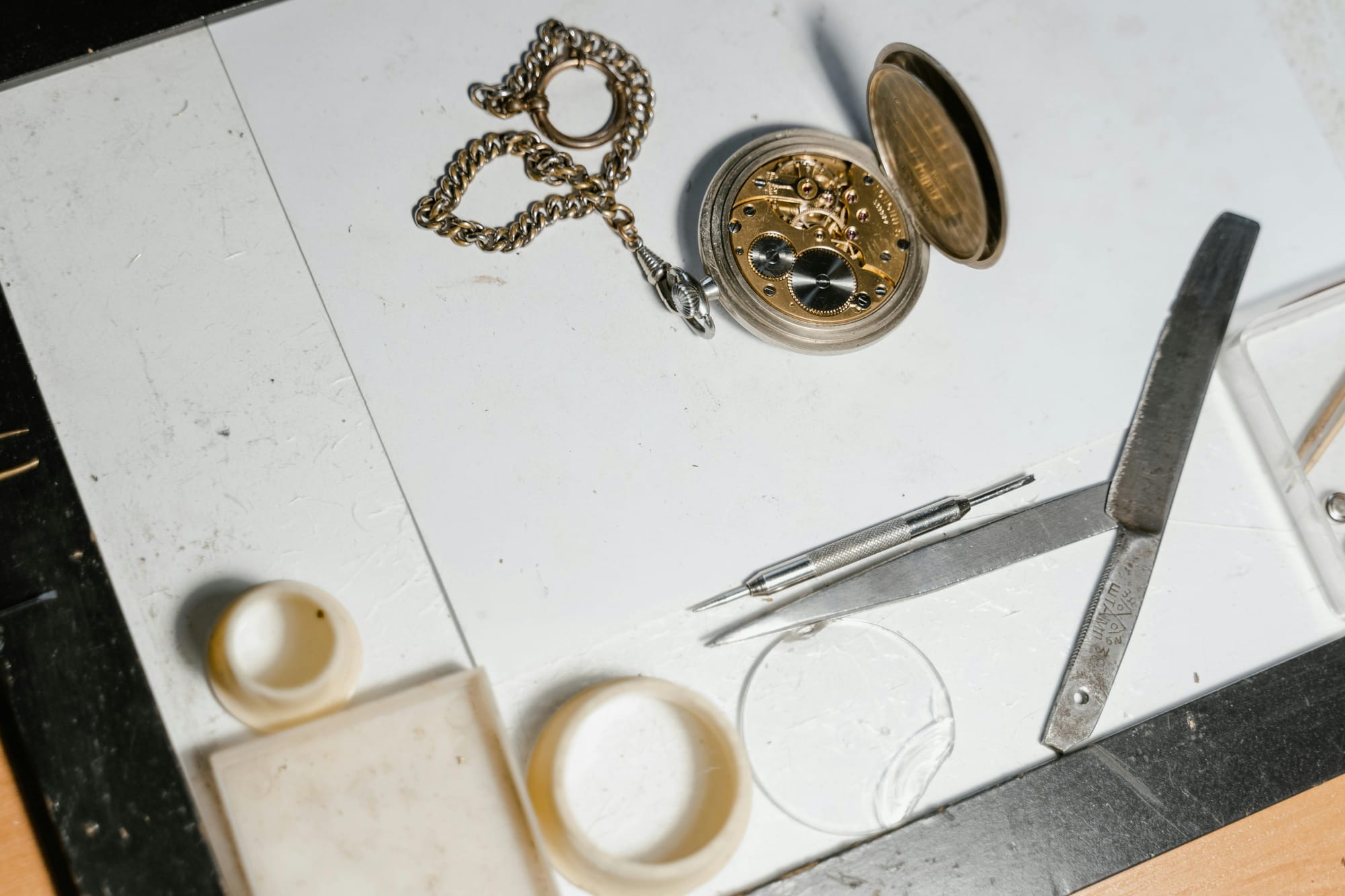
Before reaching for any tool, identify what type of case back you are dealing with. This single step prevents the majority of case-opening mistakes.
Snap-Back (Press-Fit) Cases
Snap-back cases are held in place by friction alone; the case back is pressed into the case and held by a tight fit. You can usually identify them by a small lip or notch on the edge of the case back where a tool can be inserted. These are common on entry-level quartz watches and many vintage timepieces. They are the easiest type to open but also the easiest to scratch if you use the wrong technique.
The right tool for snap backs is a case knife or friction-style opener. Position the blade against the lip of the case back, apply firm inward pressure toward the case, then lever upward. The case back should pop free cleanly. Never use a regular knife or flathead screwdriver; the blade will slip and gouge the case or case back.
Screw-Down Case Backs
Screw-down backs have a threaded edge that screws into the case body. They offer superior water resistance, which is why they are the most common type on modern watches; from affordable sport watches to luxury dive watches. You can identify them by the notches or slots machined into the case back (usually 4 to 8 notches arranged in a circle). These notches are where the opener pins engage.
Screw-down backs require a pin-style opener. These come in two varieties: 2-pin and 3-pin (also called JAXA wrenches). The pins engage with the notches on the case back, and you turn counterclockwise to unscrew. The critical difference between the two is grip stability.
Screw-Fixed Case Backs
Less common on modern watches, screw-fixed backs are held in place by four to six small screws around the perimeter of the case back. These are straightforward to open; use the correct size precision screwdriver, remove the screws in a star pattern to avoid warping, and lift the case back off. Keep the screws organized and note their positions, as they may vary in length.
2-Pin Openers: Simple and Affordable
A 2-pin opener is the most affordable and portable option for screw-down case backs. It consists of a handle with two adjustable pins that engage with the notches on the case back. To use it, align the pins with any two opposing notches, press down firmly, and turn counterclockwise. These are perfect for beginners and handle most standard watches without difficulty.
The advantage of 2-pin openers is their simplicity and compact size; you can keep one in a tool roll or pocket kit. The disadvantage is that with only two contact points, the tool can slip under heavy resistance, especially on waterproof cases that have not been opened in years. If a case back is tight, a 2-pin opener requires more downward pressure to maintain grip, which increases the risk of slipping.
3-Pin JAXA Wrenches: The Professional Standard
The 3-pin JAXA wrench is what professional watchmakers and service centers use daily. Three points of contact mean better grip, more even torque distribution, and far less chance of slipping; even on case backs that are sealed tight with dried gasket lubricant. The adjustable pins accommodate a wide range of case sizes, and many professional models include interchangeable pin tips for different notch widths.
If you plan to open watches regularly, a 3-pin JAXA wrench is the single best investment you can make. The difference in grip security and confidence over a 2-pin opener is dramatic.
To use a JAXA wrench, adjust the three pins so they all engage simultaneously with three of the notches on the case back. Press down firmly and evenly, then rotate counterclockwise with slow, steady pressure. The first quarter-turn is the hardest; once the seal breaks, the back unscrews easily by hand.
Gasket Management: The Step Most People Skip
Every time you open a case back, you disturb the gasket; the rubber or silicone ring that creates the water-resistant seal. This is the step that separates careful work from sloppy work. Before removing the case back, note the gasket's position and condition. After opening, inspect the gasket carefully. If it is compressed flat, cracked, dried out, or has lost its elasticity, replace it. A worn gasket that looked fine during opening can fail completely once the watch is exposed to moisture.
When reassembling, apply a tiny amount of silicone gasket grease to the gasket before seating it. This serves two purposes: it helps the gasket seat smoothly without pinching, and it extends the gasket's lifespan by keeping it supple. Use sparingly; excess grease can migrate into the movement.
Common Case-Opening Mistakes
- Using the wrong tool type; a case knife on a screw-down back will slip and scratch; a pin opener on a snap-back is pointless
- Excessive force; if it will not budge, you likely have the wrong tool, wrong technique, or need penetrating oil on the threads. Forcing it strips threads.
- Ignoring the gasket; opening and closing without checking the gasket risks losing water resistance entirely
- Not using a movement holder; the case can slip mid-turn, scratching the finish or jolting the movement
- Rushing reassembly; cross-threading the case back during closing is common when you hurry. Start the threads by hand before using a tool.
- Skipping the pressure test; if the watch was water-resistant before, verify the seal after closing (professional pressure testers are ideal, but even a simple visual inspection of gasket seating helps)
Tool Selection Quick Reference
- Snap-back cases: Use a case knife or friction opener. Beginner-friendly.
- Screw-down cases (occasional use): A 2-pin opener handles most standard watches affordably.
- Screw-down cases (regular use): Invest in a 3-pin JAXA wrench for reliable, slip-free opening.
- Screw-fixed cases: Use precision screwdrivers matched to screw size. Remove in star pattern.
- Waterproof/dive watches: Always use a 3-pin JAXA wrench and replace the gasket. Consider professional service for pressure testing.
The right case opener, matched to the right case back, makes the difference between a clean, professional job and an expensive scratch. Identify the case type first, choose the appropriate tool, use steady technique, and always check the gasket. These habits will protect every watch that crosses your bench.
Ready to Build Your Toolkit?
Browse our curated selection of professional watchmaking tools, batteries, and accessories.
Browse Our Tools